Third-Generation CoreValve Yielded High Procedural Success Rate
Key Points:
• Patients receiving the 18 F device had better one-year survival than with previous generations.
By TCT Daily Staff
The third generation of the CoreValve self-expanding transcatheter aortic valve yielded lower mortality and higher procedural success rates than previous generations, according to data on patients treated with all three generations of the device.
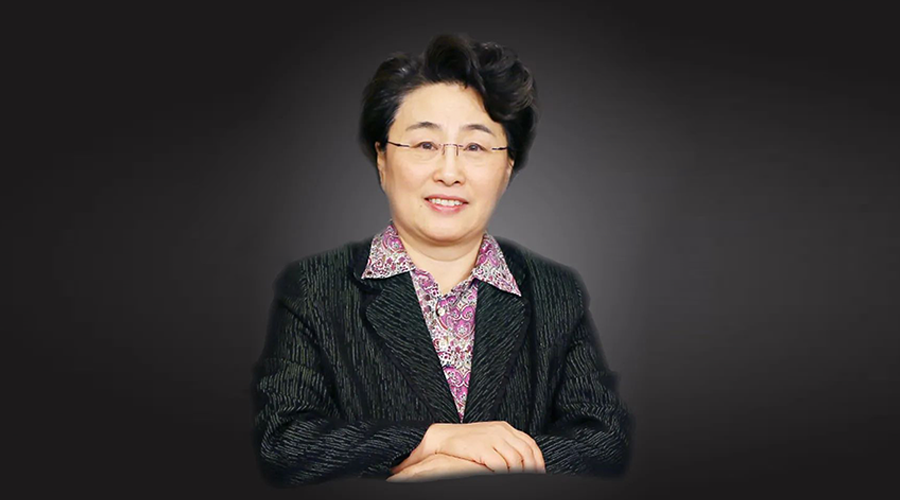
According to Ulrich Gerckens, MD, a cardiologist at Helios Heart Center in Seigburg, Germany, researchers for the study have enrolled 271 patients in the largest single-center experience for the CoreValve transcatheter valve to date.
Ten patients were enrolled in the 25 F cohort between 2004 and 2005, 24 patients in the 21 F cohort between 2005 and 2006, and 237 in the 18 F cohort beginning in 2006. As of March 2008, 102 consecutive patients were enrolled in the 18 F cohort.
The rate of acute device success for the 18 F/third-generation cohort was 97.1% (99 of 102 patients), with a mortality rate of 0.0%. Gerckens reported an acute procedural success rate of 91.2% (93 of 102) for the 18 F cohort, compared with 70.8% (17 of 24) in the 21 F/second-generation cohort and 70% (seven of 10) in the 25 F/first-generation cohort.
Aortic regurgitation improved in 34.6% of the third-generation patients following implantation; there was no change in 34.6% of patients and worsening in 30.9% of the cohort. One-year survival also was higher in the 18 F cohort (84.3%) than in the 25 F (79.2%) and 21 F (60.0%) groups.
According to Gerckens, rate of death at 30 days in the 18 F cohort was 10.8% (11 of 102), and stroke was 2.9% (3 of 102). There was a lower rate of major adverse CV and cerebrovascular events in the 18 F cohort (14.7%; 15 of 102) compared with the 21 F cohort (20.8%; five of 24) and the 25 F cohort (40%; four of 10). Patients in all cohorts also experienced a reduction in NYHA HF class after receiving the CoreValve device (see Figure).
Patient demographics
The average age of patients enrolled in the 18 F cohort was 81.8 years, with 95.1% (97 of 102) classified as NYHA HF Class III or IV. Of those patients, 34 (33.3%) had CHF and 34 (33.3%) had prior CABG. Patients had an LVEF of 51.0 ±17.3 and a mean pressure gradient of 41.6 ±16.4 mm Hg.
Disclosure statement
• Dr. Gerckens has reported receiving consulting fees and honoraria from CoreValve, Inc.